
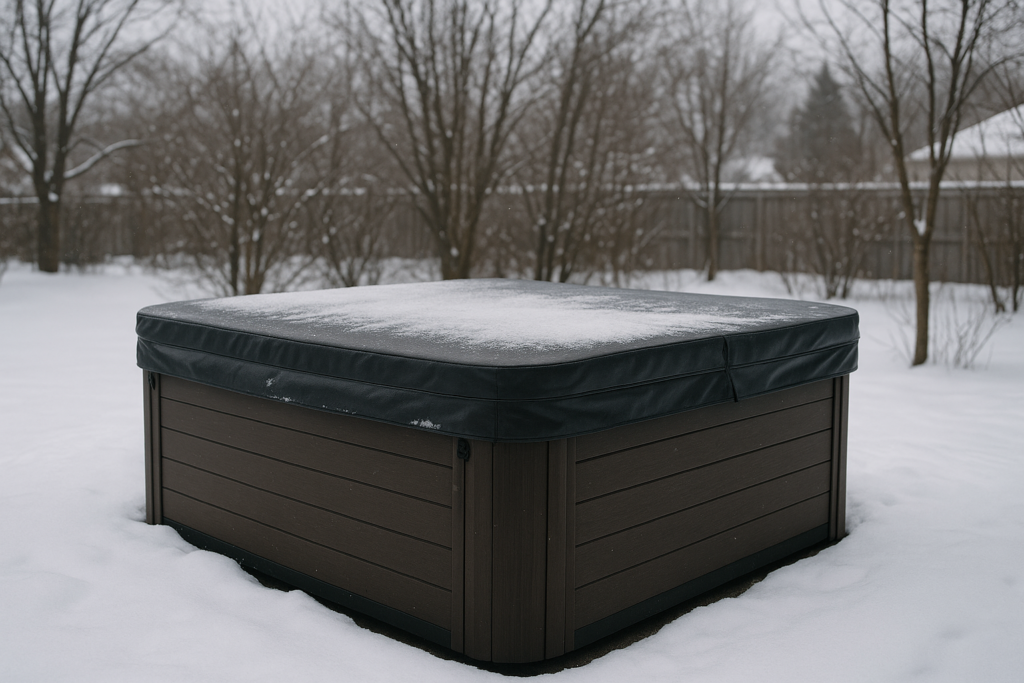
When you’re not planning to use your hot tub through a Manitoba winter, proper winterization isn’t optional—it’s essential. Our prairie winters regularly dip below -30°C, and even a single night of freezing temperatures can crack plumbing lines, damage pumps, and turn a relaxing investment into a $2,000+ repair bill. Whether you’re closing up a seasonal cottage tub or taking a break from your backyard spa, following the right winterization steps will protect your equipment and save you from expensive spring surprises.
When to Winterize Your Hot Tub in Manitoba
Timing matters more here than in milder climates. If you’re closing your hot tub for the season, aim to complete winterization before overnight temperatures consistently drop below 0°C—typically mid-to-late October in Winnipeg. Don’t wait for the first hard freeze. Once temperatures plummet, working with water lines and equipment becomes miserable, and you risk freeze damage during the process itself. If your hot tub is at a cabin or seasonal property, winterize before your final visit of the year, even if that’s early September. It’s far better to winterize a week early than a day too late.
Step-by-Step Winterization Process
Start by turning off power to the hot tub at the breaker—never just at the topside control. Remove the equipment panel to access pumps and heater. Attach a wet-dry vacuum or submersible pump to drain the tub completely; gravity draining through the drain valve alone won’t remove enough water from the lines. This typically takes 45-60 minutes for a standard 400-gallon tub.
Once drained, the critical step is blowing out all plumbing lines. Use a shop vac on blow mode or a dedicated air compressor set to low pressure (under 15 PSI). Remove each jet face and blow air through every line until only mist comes out—no water droplets. Pay special attention to the heater manifold and pump unions, where water loves to hide. Loosen all union fittings slightly to ensure complete drainage. Remove and clean your hot tub filter, letting it dry completely before storage indoors.
Protecting Components from Freeze Damage
After blowing lines, add RV antifreeze (propylene glycol, never automotive ethylene glycol) to remaining water in pump housings and low points. Pour roughly one to two liters through each pump housing and into the heater. Don’t skip this—trapped water in a pump chamber will freeze and crack the housing. Remove drain plugs from pumps and set them inside the equipment bay so you remember to reinstall them in spring. Loosen the air bleed valve on your heater assembly.
Cover and Final Protection
A quality, properly secured cover is your last line of defense. Even though the tub is empty, Manitoba’s brutal wind chills and blowing snow can damage topside controls and shell surfaces. Ensure your cover is locked down tightly—winter winds can lift an unsecured cover and cause damage. Some owners add a tarp over the cover for extra protection, especially in rural areas with heavy snow. If your cover is worn or cracked, now is the time to replace it, not in spring when damage is already done.
Remove any accessories like steps, handrails, or floating dispensers and store them indoors. Check that no water has pooled on the cover, as ice buildup can warp the foam core. Through winter, brush off heavy snow accumulation every few weeks to prevent cover sag—a 30-cm snowfall can add 100+ pounds of weight.
Winterizing a hot tub correctly takes about two to three hours, but doing it right protects thousands of dollars in equipment. If you’re not comfortable with any step—especially draining lines or working with antifreeze—the team at Swim & Spas has winterized hundreds of Manitoba hot tubs and knows exactly where freeze damage happens. Reach out for professional hot tub maintenance service in Winnipeg, and we’ll make sure your spa is ready to fire up again when spring finally arrives.